

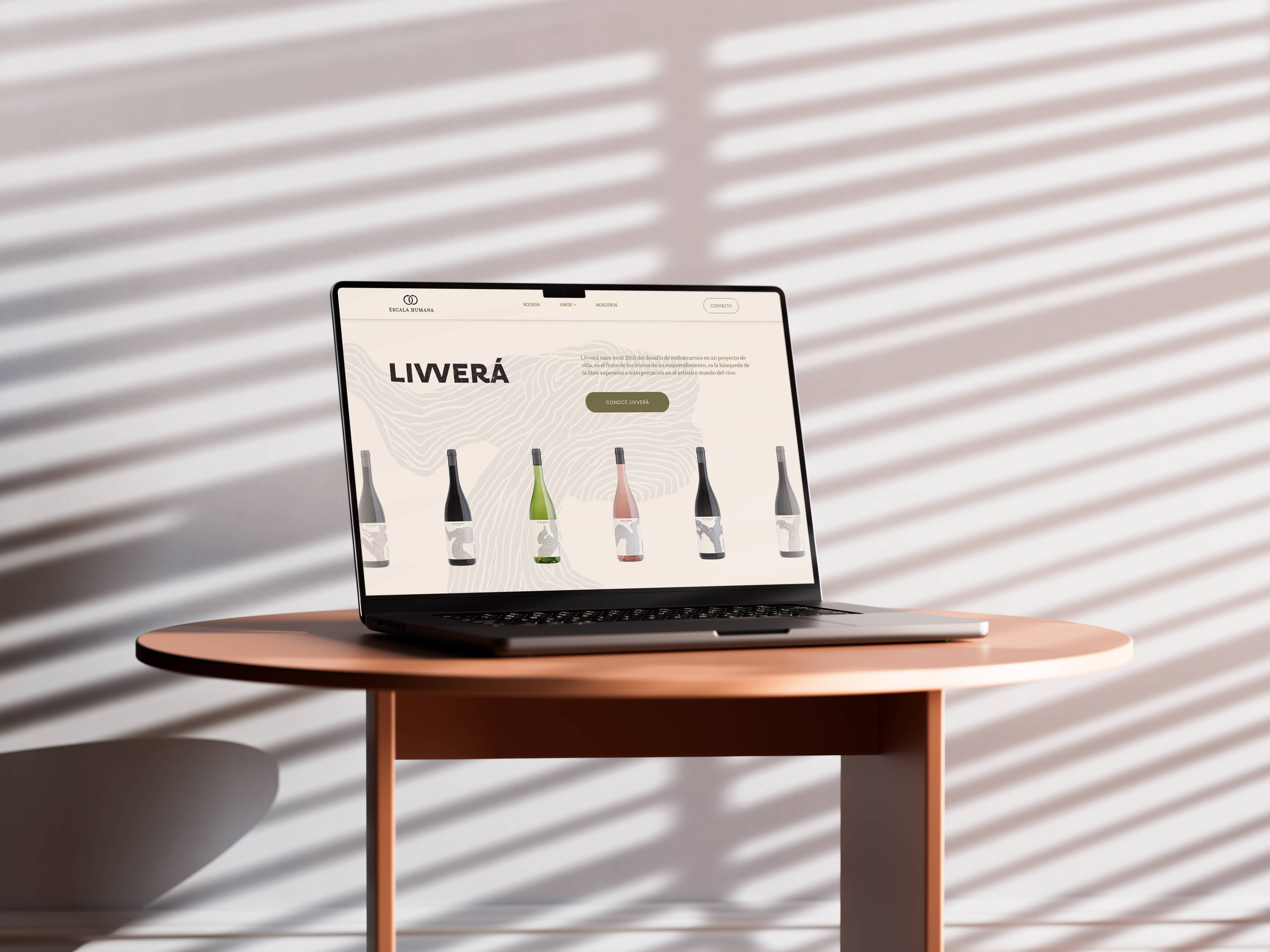
Winery website design is a narrow specialty. Most of what ranks for it today is gallery inspiration, or a single generalist agency — rarely a team that has actually built for a winery. GoWeb Global doesn't have that gap. The same team behind this studio has shipped a wine e-commerce site and a wine-tourism booking platform for real clients in Mendoza, Argentina, which is why this is the vertical GoWeb leans into hardest.
Why generic templates don't work for wineries
A generic small-business template treats a winery like any other local business: a homepage, a contact form, maybe a photo gallery. It misses the two things that actually make an estate money online: direct wine sales and booked visits.
Wine-specific builders and off-the-shelf templates tend to solve for the aesthetic (they can make a vineyard look beautiful) without solving for the mechanics underneath: age verification and shipping-compliant checkout for wine sales, a booking calendar that actually holds a tasting slot instead of just collecting an inquiry, and a content structure that can rank for both "buy wine online" and "visit a winery" searches without the two competing against each other on the same pages. Those are solvable problems, but only if whoever builds the site has actually solved them before.
What a winery site needs
A winery website has to do three jobs in the same visit: tell the story of the land and the winemaking, sell wine directly to consumers online, and convert visit interest into a booked tasting or tour. Most sites nail one, not three. The other two become an afterthought.
Storytelling and brand
The estate, the winemaker, the region — this is what separates one bottle from another when the wine itself is a commodity on a shelf. A winery site needs enough of this told well (not a wall of text) to justify the price point before a visitor ever reaches the shop or the booking page.
E-commerce and shipping compliance
Selling wine online isn't standard e-commerce. Age verification at checkout, and shipping rules that vary by destination and by how alcohol is regulated there, both need to be handled inside the platform rather than bolted on afterward. We integrate with commerce platforms built around those rules rather than forcing a generic cart to work around them.
Tourism and booking
For most wineries, a booked tasting or tour is worth more per visitor than a single wine purchase — and it's the action most winery websites handle worst, often defaulting to "call us" or a generic contact form. A real booking flow, with live availability and confirmation, turns that into a transaction the site closes on its own.

Case: Barbarians Wine and Peter Wine Tours
The same team behind GoWeb Global has already built both halves of the winery web experience for real clients: Barbarians Wine, a premium winery in Mendoza selling wine direct to consumers online, and Peter Wine Tours, a booking platform for wine tourism — tastings and tours booked directly rather than through a third party.
For Barbarians Wine, the project centered on a direct-to-consumer storefront: product catalog, checkout, and the brand storytelling needed to sell a premium bottle to someone who has never visited the estate. For Peter Wine Tours, the project centered on the booking flow itself — turning tourism interest into a confirmed, paid reservation without a phone call in between. Together they cover the two revenue paths every winery site needs: sell the bottle, book the visit.
Full detail on both projects, and on the rest of the team's work, is at /work.
SEO for wine tourism searches
Wine-related searches split into two intents that a winery site has to serve without one undermining the other: people looking to buy wine online, and people planning a visit. A site built for only one of those intents leaves real search demand — and real revenue — on the table.
That split matters because the winery category is still a relatively open field in search. Search interest in "winery website design" and "vineyard website design" is modest but the competitive field behind it is thin — mostly design galleries and a single dedicated specialist agency — which means a site with real e-commerce and booking mechanics, backed by genuine case work, has a clearer path to visibility than it would in a more crowded category. That visibility only converts, though, if the underlying site also solves the DTC and booking problems above; ranking for "winery website design" doesn't help a winery whose own site can't take a wine order. The stakes behind getting this right are rising industry-wide, not just in search. SVB's 2026 Direct-to-Consumer Wine Report found that top-quartile wineries grew DTC revenue by 22% in the past year while the median winery was flat and the bottom quartile declined — with tasting rooms and wine clubs, the two channels a winery's own website exists to drive, accounting for the majority of that performance gap. The site is not a brochure sitting next to the real business; for the wineries pulling ahead, it's one of the channels deciding which group they're in.